
When I first walked into my downtown loft after leaving my 30-year marriage, it was empty. The hardwood floors extended into open space, the high ceilings felt cavernous, and city light shone through the windows, shedding light on a blank canvas.
I had taken very little from my suburban house. Intentionally.
In my past life, I had accumulated decades of stuff – inherited furniture, rooms decorated out of expectation, and closets full of items that carried the heavy weight of old routines. Standing in that empty loft, I knew I didn’t just want to redecorate. I wanted to heal because the space around us can mirror the emotional space we build within ourselves.
A fresh start in later life demands a radical approach to your environment because your space should reflect what you truly want surrounding you. Whether you are stepping into a brand new apartment, turning an empty-nest bedroom into a room of your own, or reclaiming the home you already live in, ask a quiet, powerful question: What do I, at my core, truly want surrounding me?
If you are moving into a new home, a new apartment, or reclaiming a space that is now yours alone, here is how to curate a soulful, minimalist sanctuary, piece by piece, with absolute intention.
Edit the Energy Before You Style the Space
Minimalism gets a bad reputation for being cold, stark, or clinical. But true minimalism isn’t about living in an empty white box; it is about clearing away the visual noise so your soul has room to breathe.
Before you buy a single new thing, look at what you already own through a new lens. Objects carry memory and energy. If a piece of furniture, a painting, or even a set of dishes triggers a subtle pang of old guilt, anxiety, or grief, it hasn’t earned its place in your new life.
Be fiercely protective of your peace. It is better to have an empty room that feels light and full of potential than a furnished room that feels weighted with the past.
Decorate for the Senses, Not the Status
When we decorate houses for a traditional family life, we often center on durability, status, or what guests will think when they walk through the door. When you are creating a retreat for your reinvention, you decorate entirely for your sensory experience and your peace.
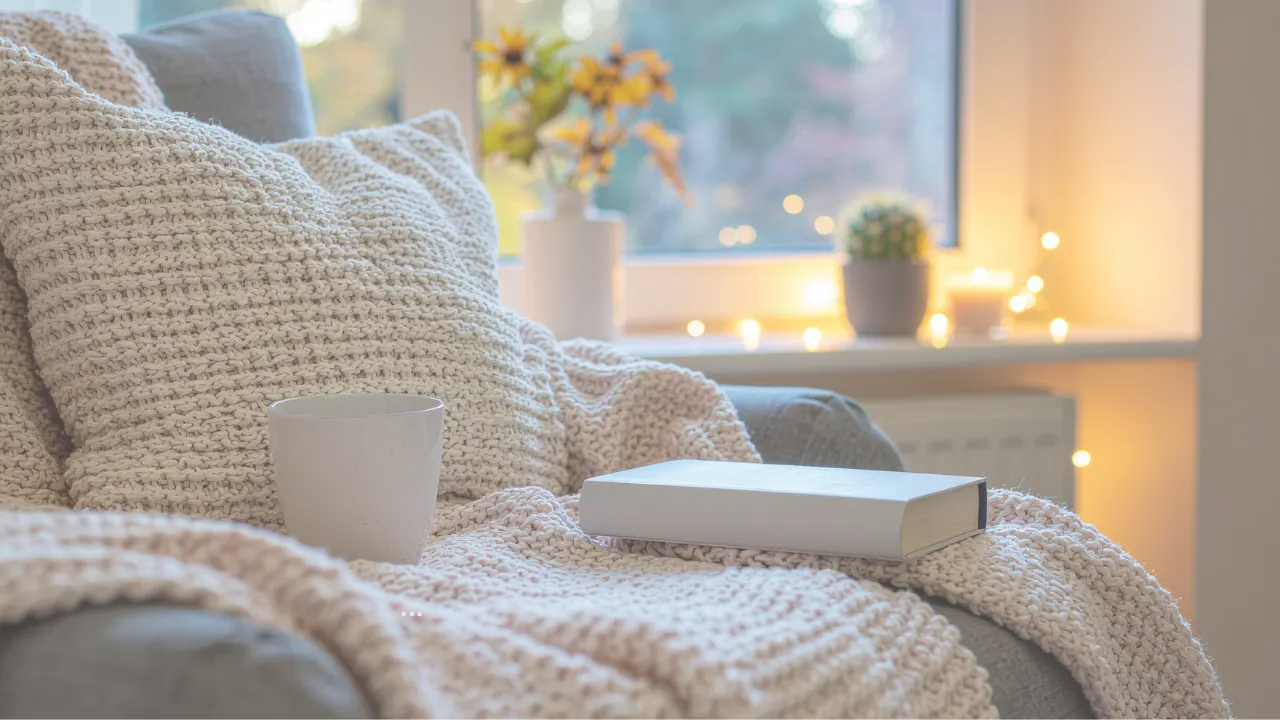
- Touch: Invest in textures that feel as a physical embrace. When you are rebuilding slowly, a beautiful linen duvet cover, a plush wool rug beneath your bare feet, or a heavy, textured throw blanket on the sofa can act as an anchor of comfort on hard days.
- Light: Lighting dictates a home’s mood. Ditch the harsh overhead lighting and opt for warm, soft ambient light. Place a minimalist floor lamp next to your favorite reading chair, or place small, warm lamps on kitchen counters and side tables to create a soft glow as the evening city light fades.
- Scent: Find a signature scent for your fresh start. Whether it’s a high-quality essential oil diffuser with grounding notes of cedarwood and lavender, or a beautifully poured soy candle, scent signals to your brain that this space is safe, intentional, and entirely yours.
The “One Meaningful Piece” Rule
When you start over from almost nothing, the temptation is to rush out and fill the rooms because the emptiness feels intimidating. Resist the urge to buy “placeholder” furniture from big-box stores just to fill a corner.
Instead, let your home grow slowly, just as you are.
Adopt the rule that every item must be minimal and meaningful. Buy the table you actually love, even if it means eating at the kitchen island for an extra month while you save for it. Look for pieces that have a story: a vintage stool found at a local market, a piece of art that makes you feel powerful, or a single, perfect ceramic mug handmade by a local artist. When you surround yourself only with things you have carefully chosen, your home begins to seem less like a temporary landing pad and more like an extension of your soul.
Bring the Outside In
There is a vibrant, healing energy in living things, and bringing nature inside instantly grounds a space. Whether you live in the suburbs or feel the pulse of a downtown city center, adding something green reinforces the sanctuary you are creating.
Invest in a few large, forgiving green plants – a fiddle leaf fig, a pothos that cascades down a bookshelf, or fresh eucalyptus in a simple glass vase. Taking care of something green and watching it grow and stretch toward the light inside your new walls is a beautiful, daily metaphor for your own journey.
Space to Become
A minimalist fresh start carries a beautiful, soft defiance. It forces you to sit with yourself, strip away distractions, and look at who you are when nobody else is watching. It asks what remains when you are not performing for anyone else.
Your sanctuary is more than simply a place to sleep. It is the cocoon where you are safe enough to fall apart, and strong enough to put yourself back together. Build it slowly. Choose it with care. Let it reflect the life you are creating. You are worth the beautiful space you are creating.
With tenderness,
Janine